Blog
Iron Brass Aluminium Chain Manufacturer: Quality & Production Guide

Iron Brass Aluminium Chain Manufacturer: Quality & Production Guide
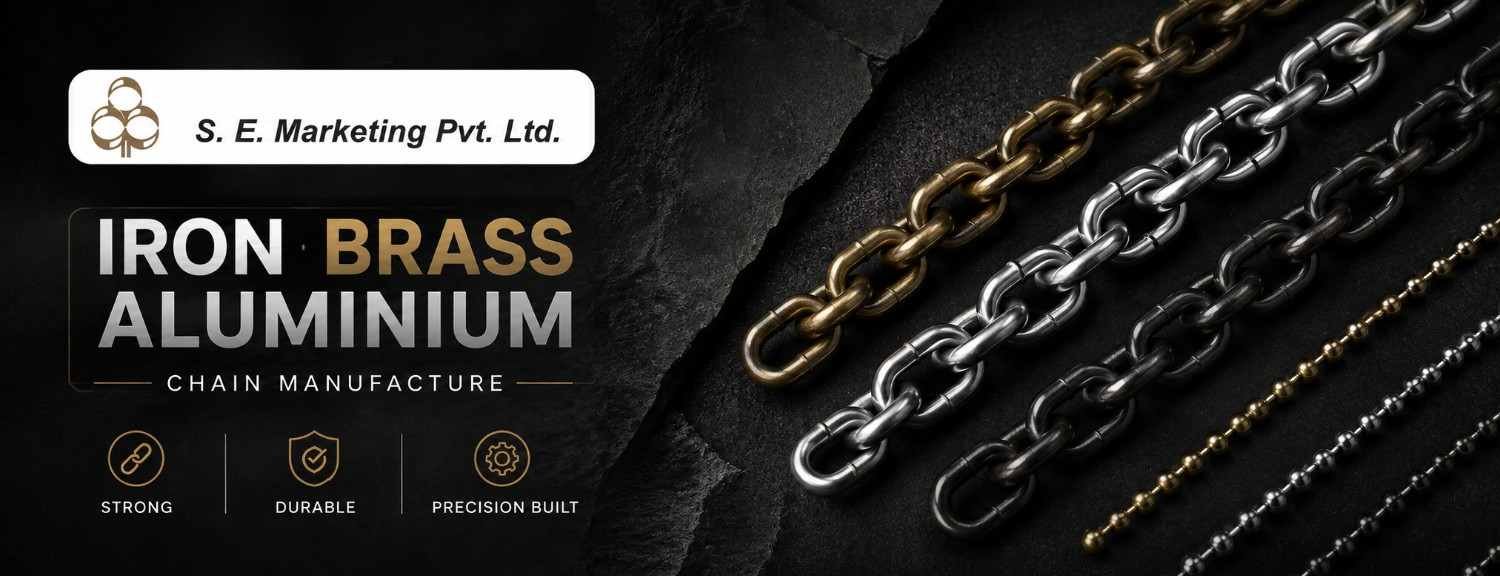
For leather goods manufacturers, choosing the right chain is not only about appearance—it also involves material, weight, strength, finish, dimensions, production consistency, and supply reliability. Iron, brass, and aluminium chains each offer different characteristics, making material selection important for handbags, footwear, accessories, straps, and other leather products. This guide explains how an iron, brass, and aluminium chain manufacturer produces these chains; how iron, brass, and aluminium differ; which factors B2B buyers should consider before ordering; which finishes and specifications matter; and how to evaluate a reliable manufacturing partner for consistent quality and bulk requirements.
What are iron, brass, and aluminium chains?
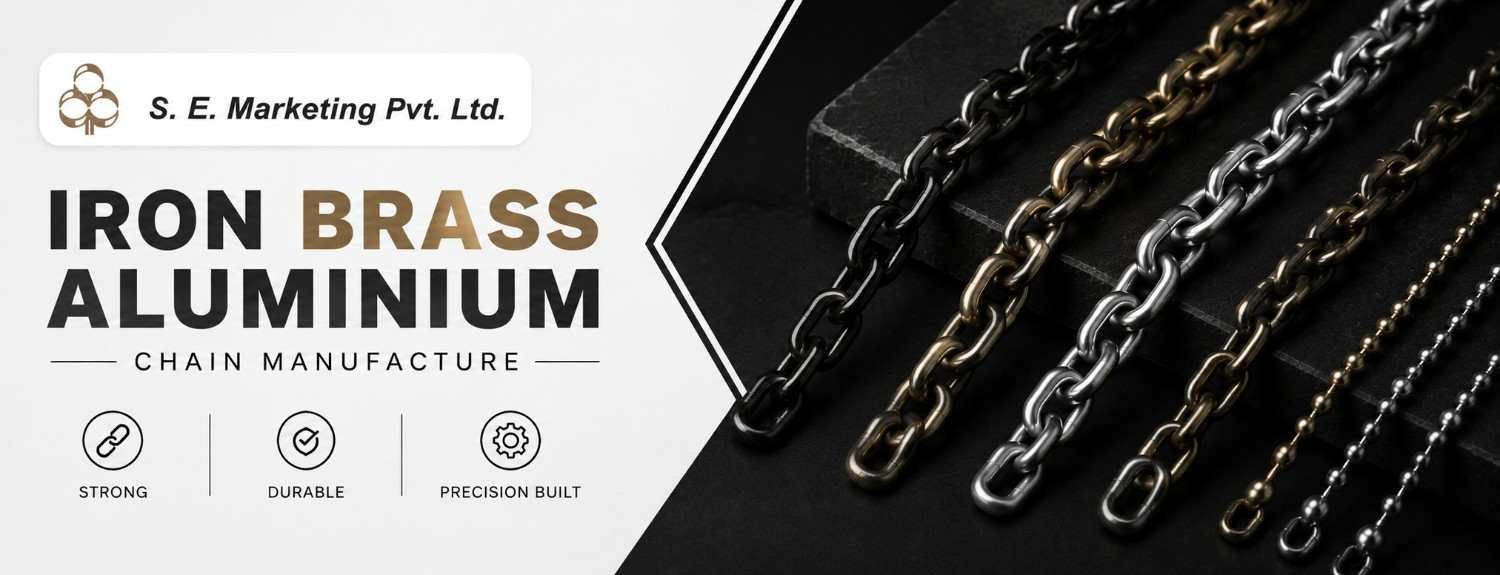
Iron is a metallic element, while industrial chain products may use iron-based alloys or steel depending on the required strength, durability, and manufacturing specification. Brass is a copper-zinc alloy, while aluminium is a lightweight metal commonly used in alloyed forms. Their properties differ, so they should not be treated as interchangeable.
Brasses generally offer good strength and corrosion resistance, with properties influenced by composition. Aluminium is valued for low weight and corrosion resistance, while alloy selection affects strength and workability.
For leather-industry buyers, there is no universal “best” metal. The most suitable material choice is determined by your specific product requirements.
Iron vs. brass vs. aluminium: What is the difference?
| Factor | Iron | Brass | Aluminium |
| Material type | Metal | Copper-zinc alloy | Metal/alloy family |
| Main B2B appeal | Solid metal feel | Appearance and corrosion resistance | Low weight |
| Relative weight | Higher than aluminium | Generally intermediate | Low |
| Finishing | Plating/coating options | Many decorative finishes | Polishing/coating/anodizing options |
| Key buying concern | Grade and corrosion protection | Alloy and finish | Alloy, design and required strength |
| Leather-industry role | Functional or decorative hardware | Appearance-led accessories | Lightweight accessories |
This table is intended to help with material selection rather than rank one metal above another. Link size, geometry, joining method, and finish can materially change chain performance.
Why does material selection matter for leather products?
Leather goods combine flexible materials with hardware that may face pulling, bending, abrasion, repeated handling, and moisture. The chain should therefore support the product without creating a weak point.
For a fashion handbag, appearance may be the priority. For a functional strap, buyers may emphasize link integrity and dimensional consistency. Aluminium may reduce hardware weight, but the selected alloy and design still have to suit the application.
This is why an aluminium chain manufacturer in India should receive a clear brief covering application, dimensions, finish, quantity, and performance requirements.
How are metal chains manufactured?
The exact route varies by chain design and material, but controlled production generally involves:
- Material selection: Required metal, alloy, or grade is identified.
- Wire/strip preparation: Raw material is prepared for forming.
- Link forming: Machinery creates the specified geometry.
- Joining/assembly: Links are closed, joined, welded, or assembled as required.
- Surface preparation: Burrs and unwanted surface conditions are addressed.
- Finishing: Plating, painting, powder coating, lacquering, polishing, or other treatments may be applied.
- Inspection: Dimensions, joints, appearance, and finish are checked.
- Packing: Finished chains are protected for handling and dispatch.
For B2B production, consistency between batches is essential because changes in link size, finish, or construction can affect assembly and finished-product quality.
What should buyers specify before requesting a quotation?
A dependable metal chain supplier in India should be able to quote against a defined technical requirement. Provide:
- Material and alloy/grade, where relevant
- Link shape and dimensions
- Wire diameter or thickness
- Chain length
- Finish and colour
- Quantity and repeat volume
- Tolerances
- Packaging requirements
- Reference sample or drawing
- Intended application
- Inspection/documentation requirements
Two chains with the same length are not necessarily equivalent if material, wire size, construction, or finish differs.
Which finishes matter in leather-industry chains?
The base metal determines only part of the finished component. Surface treatment affects appearance and can contribute to protection against environmental exposure.
Depending on the product, buyers may consider polished, plated, painted, powder-coated, lacquered, or other finishes. Colour names alone are weak specifications; repeat production is better controlled through approved samples or defined appearance references.
Regulatory requirements should also be checked against the exact finished product. BIS maintains compulsory-certification listings and quality-control orders for specified footwear products; that does not mean every metal fitting automatically requires BIS certification.
What should you look for in an iron brass aluminium chain manufacturer?
A capable iron brass aluminium chain manufacturer should be able to discuss material selection, tooling, forming, finishing, inspection, sampling, capacity, and repeat-order control.
Key evaluation points are:
- Required chain dimensions and tooling capability
- Material and finish documentation
- Sample-development process
- In-process and final inspection
- Capacity for recurring orders
- Lead-time commitments
- Handling of non-conforming batches
- Packaging and dispatch controls
The buyer should also confirm which production and finishing stages are performed in-house.
Why does production capability matter?
Leather-goods manufacturers may reorder the same hardware specification for long periods. Inconsistent link dimensions or finish can cause sorting, rework, rejection, or assembly problems.
The SE Marketing profile describes imported machinery and Italian know-how, with capabilities including plating, spray painting, powder coating and lacquering, assembly, die and rubber casting, sheet-metal work, surface finishing, tooling, design, laboratory functions, and effluent treatment. It also lists chains in iron, brass and aluminium.
The profile states a combined production capacity of one million pieces per month across all products and describes ongoing process development based on customer and market feedback.
Capacity alone does not prove quality; buyers should verify the capacity and controls applicable to their own product.
When should you choose each material?
Iron: Consider it when the design calls for a substantial metal feel and the material specification and finish suit the application. Corrosion protection should be considered where moisture exposure is relevant.
Brass: Consider it where copper-zinc alloy characteristics, appearance, and finishing options fit the product. Brass properties vary with zinc content, so composition matters.
Aluminium: Consider it when lower hardware weight is important. Aluminium forms a natural oxide film that protects its surface, but alloy and chain design still need to match the application.
The right material is therefore application-specific, not simply the most expensive option.
How can B2B buyers reduce procurement risk?
An iron brass aluminium chain manufacturer should turn a general request into a repeatable specification. Reduce risk by:
- Sharing a drawing or reference sample with dimensions and finish.
- Approving a production sample before bulk supply.
- Defining acceptable limits for dimensions, appearance, and finish.
- Keeping the approved sample as the repeat-order reference.
- Confirming how deviations are recorded and corrected.
- Comparing prices only after confirming equivalent specifications.
Businesses searching for wholesale metal accessories for the leather industry in India may also need buckles, studs, eyelets, rings, hooks, or locks. A supplier with related capabilities can simplify sourcing, but each component should still be specified and approved separately.
A metal chain supplier in India can be particularly useful when chain production is supported by complementary leather-goods hardware. Buyers should verify the technical capability for each product rather than assuming all components have identical requirements.
For businesses looking for wholesale metal accessories for the leather industry in India, supplier evaluation should cover material knowledge, finishing, customization, quality practices, and supply consistency.
How should you choose a manufacturing partner?
The right iron brass aluminium chain manufacturer is not simply the company with the largest catalogue. It is the supplier that can translate a design into a controlled specification and maintain it through forming, finishing, inspection, and delivery.
When comparing an aluminium chain manufacturer in India, review the alloy, chain design, finish, quality controls, production capability, and sample-approval process rather than relying on the material name alone.
SE Marketing offers iron, brass, and aluminium chains within a broader leather-goods accessories and metallic-fittings portfolio. Its published profile describes Italian know-how, imported machinery, multiple finishing and production processes, and a focus on continuous improvement.
An iron, brass, and aluminium chain manufacturer should also communicate clearly about samples, specifications, and production continuity so that purchasing teams can plan repeat orders with fewer surprises.
Conclusion
Choosing chains for leather products starts with the application. Iron, brass, and aluminium have different characteristics, while chain geometry, joining, finishing, tolerances, and manufacturing controls affect the finished component.
An iron, brass, or aluminium chain manufacturer should therefore be evaluated on technical capability as well as price. A clear specification, approved sample, defined inspection criteria, and reliable production process can help B2B buyers obtain consistent hardware for repeat leather-goods manufacturing.
Looking for reliable metal chains and leather-goods accessories for your business? SE Marketing combines quality-focused production, versatile finishing capabilities, and industry experience to support your bulk and customized requirements. Contact us to discuss your chain specifications and sourcing needs.
FAQs
1. How do I choose between iron, brass and aluminium chains for leather goods?
Choose based on the product’s application, required weight, appearance, finish and performance needs. Iron may suit designs requiring a substantial metal feel, brass can work well where appearance and finishing options are important, while aluminium can be useful when reducing hardware weight is a priority.
2. What specifications should I provide when ordering metal chains?
Share the material or alloy, link dimensions, wire thickness, chain length, finish, colour, quantity, tolerances, packaging requirements and intended application. A drawing or approved sample can make specifications clearer and help maintain consistency during repeat orders.
3. What finishes are available for leather-industry chains?
Depending on the material and product design, chains may be polished, plated, painted, powder coated or lacquered. Buyers should approve a physical sample or defined finish reference when appearance consistency is important.
4. How can I evaluate a chain manufacturer before placing a bulk order?
Check material knowledge, tooling capability, sample development, inspection procedures, finishing facilities, production capacity, lead times, and repeat-order controls. Confirming specifications before comparing prices also helps avoid comparing different products on an unequal basis.
5. Can metal-chain suppliers provide customized chains?
Yes, customization may be possible depending on the manufacturer’s production capabilities. Buyers can discuss link shape, dimensions, length, material, finish, and other requirements. A technical drawing or reference sample can help the manufacturer assess feasibility and prepare an accurate quotation.
RAGs
Why Material Selection Should Come Before Price
For B2B leather-goods manufacturers, selecting a chain only by price can create problems later. Iron, brass, and aluminium differ in weight, composition, appearance, finishing possibilities, and suitability for specific applications. Before placing a bulk order, buyers should define the required material, link dimensions, finish, intended use, and quantity. A clear specification helps manufacturers produce the right chain and allows purchasing teams to make accurate cost comparisons without evaluating different products on an unequal basis.
What to Check Before Approving a Chain Manufacturer
A reliable supplier should provide more than a product catalogue. Buyers should review manufacturing capabilities, material specifications, tooling options, finishing processes, quality inspections, sample-development procedures, production capacity, and lead times. It is also useful to confirm which processes are handled in-house and how the manufacturer manages repeat orders. Requesting a pre-production sample and checking it against the approved dimensions, finish, and construction can reduce the risk of receiving inconsistent hardware in a bulk shipment.
How to Build a Reliable Long-Term Supply Relationship
Consistent sourcing depends on maintaining the same approved specifications from one order to the next. B2B buyers should keep a record of the approved sample, material or alloy, dimensions, finish, tolerances, packaging requirements, and inspection expectations. Open communication about design changes, production schedules, and quality concerns can also prevent avoidable delays. Choosing a manufacturer that understands both metal-chain production and the requirements of leather-goods hardware can make repeat procurement easier and support more consistent finished products.